


How to Fix QuickBooks Error 1603 During Installation or Updates

- By Jonathan Browns
- Oct 09, 2026
- Accounting
- 7 min read
QuickBooks Error 1603 is an installation-related error that may occur when installing QuickBooks Desktop or applying a software update. Error 1603 when you install QuickBooks Desktop can be associated with problems involving Microsoft .NET Framework, Windows Installer components, or damaged installation files.
The exact error message can help identify the likely cause. For example, you may see a message indicating a problem installing Microsoft .NET Framework or an internal error in the update installer. Review the possible causes below and follow the troubleshooting method that best matches your situation.
Common error messages include:
- Error 1603: There was a problem installing Microsoft .NET Framework [version]
- Error 1603: The update installer has encountered an internal error
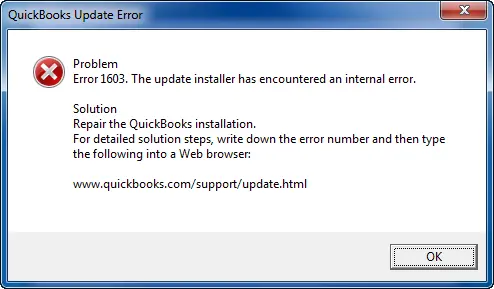
Common Causes of QuickBooks Error 1603
The QuickBooks Installation Error 1603 itself suggests that it may appear during the initial installation of the QuickBooks program. However, there are several other factors which might give rise to this error. So, let’s read all the possible root causes discussed below to get a better insight into the issue.
- Problems with Microsoft .NET Framework or other required Windows components.
- Damaged or incomplete QuickBooks Desktop installation files.
- Windows Installer issues that prevent the installation from completing.
- Windows account permissions that restrict installation tasks.
- Conflicts with third-party applications or background processes.
- Compatibility issues with the installed Windows environment.
Simple Tricks to Address 1603 Fatal Error During Installation QuickBooks
If you are encountering a 1603 fatal error during the installation of QuickBooks, then don’t worry and follow the solutions described below. Read all the solutions listed below closely and apply the solutions as per the cause of the error.
Solution 1: Run the QuickBooks Install Diagnostic Tool
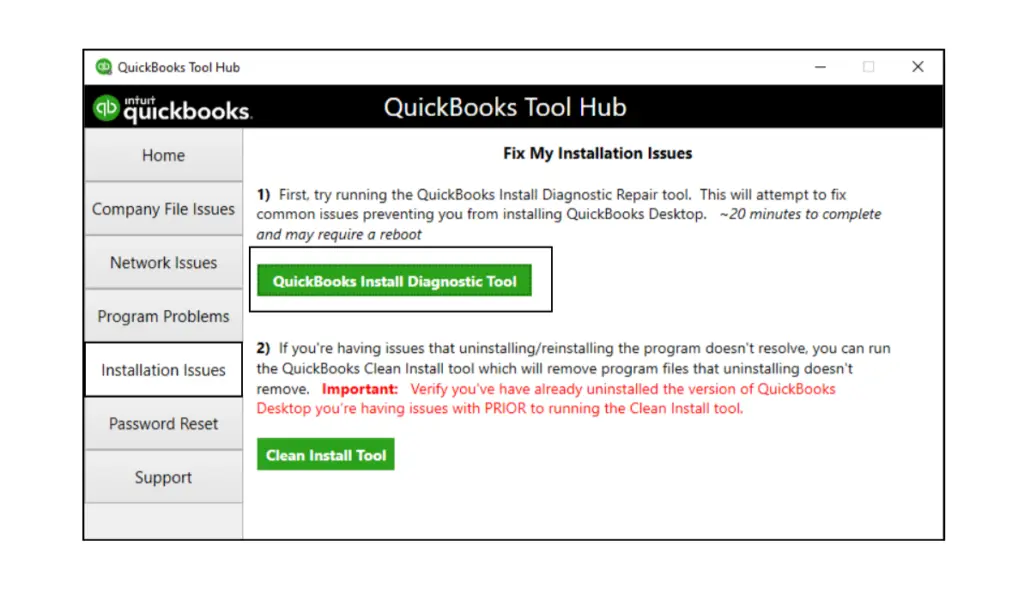
The QuickBooks Install Diagnostic Tool can help identify and repair certain installation-related problems. If you encounter QuickBooks Desktop Error 1603, open QuickBooks Tool Hub, select Installation Issues, and run the Install Diagnostic Tool if it is available for your version. Allow the process to finish, restart your computer, and retry the installation.
Solution 2: Install the Latest Windows Updates
An outdated Windows operating system or missing system components may contribute to QuickBooks Installation Error 1603 when installing or updating QuickBooks Desktop. Installing available Windows updates can help resolve compatibility issues and ensure that required system components are up to date.
Follow these steps to check for Windows updates:
- Click the Start menu and open Settings.
- Select Windows Update. On some Windows versions, you may need to open Update & Security first.
- Click Check for updates and allow Windows to search for available updates.
- If updates are available, download and install them. Restart your computer if prompted.
- After restarting, try installing or updating QuickBooks Desktop again to check whether QuickBooks Error 1603 persists.
If the installation error continues, proceed to the next troubleshooting method.
Related Guide: Download and Install QuickBooks Tool Hub
Solution 3: Install QuickBooks Desktop in Selective Startup Mode
Selective Startup can help determine whether third-party applications or background services are interfering with QuickBooks Desktop installation. Follow Intuit’s instructions carefully, and restore Normal Startup after completing the troubleshooting process.
Step 1: Move to the Selective Startup Mode
To ensure that no other apps are interrupting while installing QuickBooks, you must use the selective startup mode.
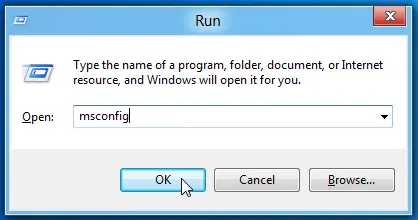
- Primarily, launch the Run window and add msconfig in the search console.
- After that, you must move to the General tab and tap on the Selective Startup and Load System services.
- Thereon, head to the Services tab and circle the checkbox of the “Hide All Microsoft Services” tab.
- Now, hit the Disable All and make sure that you won’t unmark the Hide All Microsoft Services.
- Following this, choose the Windows Installer option from the available list of options.
- Afterwards, tap on the OK tab and then choose the Restart option from the System Configuration window.
Step 2: Uninstall or Install the QuickBooks Desktop Application
- Initially, try installing the QuickBooks Desktop application once again.
- After this, bring up the Run Command window and insert “msconfig” in the search panel.
- Thereon, move to the General tab and tap on the Normal Setup tab.
- Now, hit the OK tab and then the Restart option from the System Configuration window.
Solution 4: Repair Microsoft .NET Framework and Other Required Windows Components
QuickBooks Installation Error 1603 may occur when the installer encounters a problem with Microsoft .NET Framework, MSXML, Windows Installer, or another required Windows component. The appropriate troubleshooting method depends on the error message and your Windows version.
Before making changes to Windows features or system components, follow the relevant instructions provided by Intuit. Avoid manually registering DLL files or disabling Windows features unless the recommended procedure specifically applies to your system.
A. Check and Repair Microsoft .NET Framework
Microsoft .NET Framework is one of the Windows components that may be involved in QuickBooks Desktop installation problems. Follow these steps to check the available Windows features:
- Close QuickBooks Desktop and any other open applications.
- Open the Start menu, search for Control Panel, and launch it.
- Select Programs and then click Programs and Features.
- Choose Turn Windows features on or off.
- Review the available .NET Framework options, including .NET Framework 3.5 and .NET Framework 4.x, where applicable.
- If a Windows feature appears to be missing or cannot be enabled, follow Microsoft’s instructions for your Windows version rather than changing multiple settings at once.
- Restart your computer if Windows prompts you to do so.
- Try installing or updating QuickBooks Desktop again.
Important: Windows versions may include different .NET Framework components. Do not disable and re-enable .NET Framework simply because its checkbox is already selected. If Windows displays an error while enabling or disabling a feature, troubleshoot that specific error before continuing.
For additional troubleshooting, see QuickBooks Error 1723, which may also involve problems with Windows components or the installation process.
B. Repair Microsoft MSXML Components
MSXML is a Windows component used by certain applications. If the QuickBooks installer reports an MSXML-related problem, follow the applicable Microsoft or Intuit troubleshooting instructions for your operating system.
- Note the exact error message displayed during the QuickBooks Desktop installation.
- Confirm whether the message specifically identifies MSXML or a related Windows component.
- Follow the official troubleshooting procedure that matches your Windows version and system architecture (32-bit or 64-bit).
- Restart your computer if instructed.
- Run the QuickBooks Desktop installer again and check whether the error persists.
Important: Do not run commands such as regsvr32 MSXML6.dll or manually register system files unless the official instructions for your specific issue require those steps. Incorrect or unnecessary system changes may cause additional problems.
If the installation error continues, review Intuit’s official QuickBooks Desktop installation troubleshooting guidance before proceeding.
You can also review our guide on Windows Firewall Blocking QuickBooks if the troubleshooting evidence indicates that firewall settings are interfering with the installation.
Solution 5: Check Windows Permissions if Installation Fails
Adding a Windows user with admin rights might help you resolve QuickBooks Error Code 1603 by ensuring full system access. Thus, it helps you install or update QuickBooks Desktop by avoiding the issues caused due to restricted user rights. Follow the below-given steps to generate a Windows user with admin rights for Windows 10.
- To begin with, hit the Start menu and then insert Settings in the search area.
- After this, pick the Accounts option and choose the Family and Other Users.
- Now, move to the Other Users tab and tap on the Add someone else option.
- Next, if you wish to generate a local account, then do as follows.
- You must choose the I don’t have this person’s sign-in information from the bottom.
- Afterward, browse to the Add a User without a Microsoft account menu.
- Next, you must input a username and then generate a password.
- Now, pick the security questions and provide the appropriate answers for them.
- You have to pick the new local account entry to expand the menu.
- Afterwards, choose the AddChange Account Type option.
- Then, tap on the Administrator option by clicking on the drop-down menu.
To allow the admin rights in Windows 8, 8.1, 10, or Server 2012 versions, perform the below steps.
- In the beginning, launch the Run window and add Control Panel in the search box.
- After this, opt for the User Accounts and then hit the Manage Another Account tab.
- Now, you must double-tap on the QBDataServiceUser and head to the Change the account type.
Solution 6: Check for QuickBooks Desktop Updates
If QuickBooks Desktop opens successfully, check for available program updates before retrying the installation or update process. Open QuickBooks Desktop, select Help, and choose Update QuickBooks Desktop or the equivalent update option available in your version.
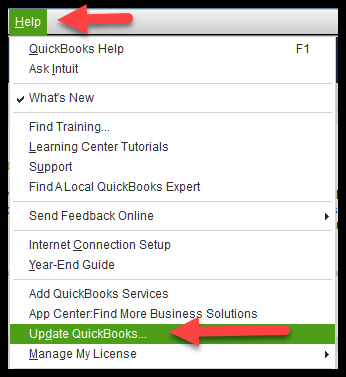
- Primarily, launch the Start menu and tap on the Help menu.
- Afterwards, switch to the Update QuickBooks option and then click the Update Now tab.
- Now, circle the checkbox next to the Reset Update and remove all the old update downloads.
- When you are all sorted, tap on the Get Updates option to commence with the download process.
- Once you are all sorted downloading the QuickBooks, relaunch the application.
- Thereon, if prompted, then give the consent for installing the latest QuickBooks version.
How to Fix QuickBooks Update Error 1603?
If QuickBooks update error 1603 appears while applying a software update, the issue may be related to the update installer or the files being used. Try these steps:
- Close QuickBooks Desktop and restart your computer.
- Confirm that you have downloaded the appropriate update or installer for your QuickBooks version.
- Run the QuickBooks Install Diagnostic Tool if installation components may be involved.
- Follow Intuit’s official instructions to reinstall or refresh the affected program files if the error persists.
If QuickBooks Desktop cannot open, use the installation troubleshooting steps rather than attempting an in-product update. Back up your company file before performing major repair or reinstall operations.
Conclusion
QuickBooks Error 1603 can interrupt QuickBooks Desktop installation or prevent an update from completing. Start by identifying the exact error message, then try the appropriate troubleshooting steps, such as running the Install Diagnostic Tool or installing available Windows updates. If the problem involves Microsoft .NET Framework or other Windows components, follow the relevant official repair instructions. If QuickBooks Desktop Error 1603 continues to appear, consult Intuit’s troubleshooting guidance to determine the next step.
Frequently Asked Question
Question 1: What is the reason behind the QuickBooks Desktop update not installing issue?
Users often experience QuickBooks Desktop update not installing issues due to unstable network connectivity, interruption due to firewall, or corrupt installation files. This issue may also caused by the background running applications or incorrect system date and time.
Question 2: Why is my QuickBooks Desktop update taking longer time?
Most often, the QuickBooks Desktop update process gets stuck in the middle due to multiple factors like poor internet connection and improper permissions. It may also appear because of the problems with the Windows updates.
Question 3: How can you prevent QuickBooks Error 1603 from occurring in the future?
To prevent the QuickBooks Error 1603 from occurring in the future, you must take care of the following points.
- It is mandatory to perform the backup of the company file to prevent the data from any loss or damage.
- Check that your system meets the basic requirements to run the QuickBooks Desktop application.
- Verify that the Windows Firewall isn’t creating issues while installing QuickBooks.
Question 4: Can QuickBooks Error 1603 occur during a software update?
Yes. QuickBooks Error 1603 may appear when the update installer encounters a problem completing the installation process. Restart your computer, verify that you are using the appropriate update files, and follow the official troubleshooting instructions if the error persists.
Question 5: What should I do if QuickBooks Error 1603 continues after troubleshooting?
Note the exact error message, confirm your QuickBooks Desktop version, and follow Intuit’s official Error 1603 troubleshooting guidance. If the problem involves Windows components or advanced system settings, seek help from a qualified technician.
About The Author

Jonathan Browns
Jonathan Brown is a trained QuickBooks professional with 10 years of experience in the accounting sector. Moreover, he is passionate about helping businesses reduce the stress of managing accounts. Also, he is proficient in assisting entrepreneurs and small business owners to use QuickBooks and enhance their accounting experience.

Recent Posts
-
How to Reset QuickBooks Data Without Losing Important Information
-
QuickBooks Online Backup: A Complete Guide to Data Protection
-
QuickBooks Payroll EIN Mismatch: How to Find & Fix an Incorrect EIN
-
Celebrate QuickBooks Thanksgiving Day & Simplify Your Accounting
-
QuickBooks Cyber Monday Sale: Unlock Huge Savings in 2026