


QuickBooks Enterprise Latest Version (2026): Everything You Need to Know

- By Jonathan Browns
- Jul 14, 2026
- Accounting
- 7 min read
Keeping QuickBooks Enterprise up to date is one of the easiest ways to improve performance, strengthen security, and access the latest features. With Intuit’s continuous release model, you no longer have to wait for a new yearly version to benefit from enhancements. Instead, updates are delivered regularly through maintenance releases that include bug fixes, payroll improvements, and new functionality.
If you’re wondering what the QuickBooks Enterprise Latest Version is, how to check your current release, or the right way to install updates, you’re in the right place. In this guide, we’ll explain everything you need to know, from verifying your version to updating QuickBooks Enterprise on Windows and Mac, along with solutions to common update issues you may encounter.
What is the Latest Version of QuickBooks Enterprise?
The latest core version of QuickBooks Enterprise is QuickBooks Enterprise 24.0 (2024). Instead of releasing a new version every year, Intuit now delivers new features, security updates, and performance improvements through regular maintenance releases. In other words, if you’re using the latest release for your current version, you’ll continue to receive the newest enhancements without upgrading to a separate yearly edition.
To check whether your QuickBooks Enterprise is up to date, press F2 (or Ctrl + 1) to open the Product Information window. There, you’ll find your current version and release number, which you can compare with the latest maintenance release available for your software.
What’s New in the Latest QuickBooks Enterprise Update?
Since QuickBooks Enterprise now follows a continuous release model rather than annual versions, keep this section general instead of tying it to a specific release. Here’s a version in your style:
Performance improvements
Every maintenance release includes behind-the-scenes optimizations to help QuickBooks Enterprise run more efficiently.
These updates often improve startup times, reduce lag when opening large company files, and enhance overall responsiveness, especially for businesses managing high transaction volumes.
New productivity features
Instead of waiting for a major yearly release, Intuit now rolls out new features throughout the year.
Depending on your subscription and edition, updates may introduce workflow enhancements, interface improvements, or new tools designed to simplify everyday accounting tasks and reduce manual work.
Payroll enhancements
If you use QuickBooks Enterprise with Payroll, regular updates ensure you receive the latest tax tables, payroll calculations, and compliance changes.
These updates also include improvements to payroll processing and help keep your business aligned with current federal and state tax requirements.
Bug fixes and stability improvements
Every maintenance release addresses known issues reported by users. These fixes improve software stability, resolve compatibility problems, strengthen security, and help prevent errors that could interrupt your day-to-day accounting tasks.
Keeping QuickBooks Enterprise up to date ensures you benefit from these ongoing improvements as soon as they become available.
Why Keeping QuickBooks Enterprise Updated Matters
Updating QuickBooks Enterprise isn’t just about getting the latest features; it’s also one of the easiest ways to keep your software secure, stable, and running efficiently.
Here are some of the key benefits of keeping QuickBooks Enterprise updated:
- Improved performance: Updates optimize the software to run faster, reduce lag, and handle large company files more efficiently.
- Latest security enhancements: New releases include security patches that help protect your financial data from known vulnerabilities.
- Bug fixes and greater stability: Updates resolve reported issues, reducing crashes, freezes, and unexpected errors during everyday tasks.
- Payroll and tax compliance: If you use QuickBooks Payroll, updates provide the latest tax tables and regulatory changes to help you process payroll accurately.
- Access to new features: Intuit regularly introduces productivity improvements and workflow enhancements through maintenance releases, so you don’t have to wait for a new yearly version.
- Better compatibility: Staying current helps ensure QuickBooks works smoothly with the latest Windows updates and other supported applications.
In short, keeping QuickBooks Enterprise up to date means fewer technical issues, improved security, and access to the latest enhancements, all of which help your business run more efficiently.
How to Check Your Current QuickBooks Enterprise Version
Knowing your current QuickBooks Enterprise version can save you time and prevent unnecessary updates. Follow the steps below to find your version and release number:
Check for the latest release (Windows)
Verify that your QuickBooks Enterprise is already up to date before downloading or installing any updates.
- Open QuickBooks Desktop.
- Press F2 (or Ctrl + 1) to open the Product Information window.
- Note your current Version and Release number.
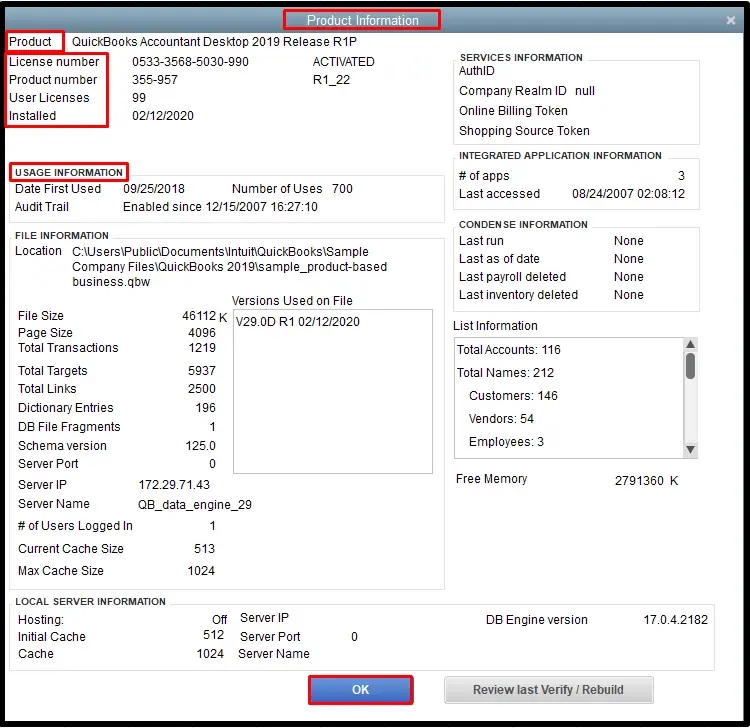
- Compare it with the latest maintenance release available for your version. If the release numbers match, your software is already up to date. Otherwise, proceed with the update.
- QuickBooks 2024 R21_51
Check for the latest release (Mac)
- Open QuickBooks Desktop for Mac.
- Press Command (⌘) + 1 to open the Product Information window.
- Check your current version and release number.
- Compare it with the latest available release. If your release is older, you should install the latest update.
- QuickBooks Desktop for Mac Plus 2024: R13
- QuickBooks Desktop for Mac Plus 2023: R7.6
Learn How to Update QuickBooks Enterprise With Easy Steps
The update process is simple, whether you’re using QuickBooks Enterprise on Windows or Mac. Choose the method that matches your operating system and follow the steps below:
For Windows
Method 1: Update from within QuickBooks
You can either let QuickBooks download updates automatically in the background or install the latest update whenever you need it.
Schedule automatic updates
- Open QuickBooks Desktop.
- Go to Help > Update QuickBooks Desktop.
- Select the Options tab.
- Choose Yes to turn on automatic updates.
- Click Close to save your changes.
Run an immediate update
- Go to Help > Update QuickBooks Desktop.
- Open the Update Now tab.
- Click Get Updates to download the latest maintenance release.
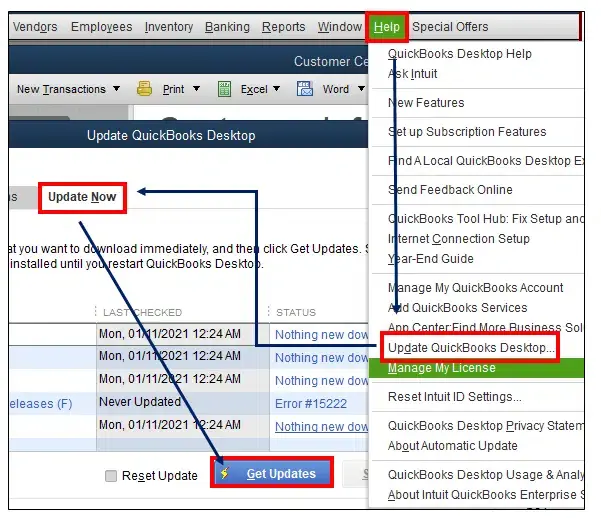
- Once the download is complete, close and reopen QuickBooks.
- If prompted, click Install Now to complete the update.
Method 2: Download the latest QuickBooks Enterprise update manually
If you cannot update within the software, download the specific update file from the Intuit website.
- Close QuickBooks Desktop.
- Go to the Downloads & Updates page.
- Select the standard setup.
- Select your Country, Product, and Version (Year).
- Select Search.
- Select Get the latest updates.
- Open the downloaded file to install the update.
- Restart your computer after installation.
- Note: To update your server manager, refer to Install, Update, and Set up the QuickBooks Desktop Server Manager.
For Mac
Method 1: Update within QuickBooks (In-product)
- Open QuickBooks Desktop for Mac.
- From the QuickBooks menu, select Check for QuickBooks Updates.
- If an update is available, click Install and Relaunch.
- Wait for the installation to finish, then reopen QuickBooks.
Tip: To have future updates installed automatically, check Automatically download and install updates in the future in the update window before proceeding.
Method 2: Update manually (Download site)
If the release number doesn’t change after updating, or the in-product update keeps failing, install the latest maintenance release manually instead.
- Visit the Downloads & Updates page on Intuit’s website.
- Select your Country, Product, and Version.
- Click Search, then choose Get the latest updates.
- Open the downloaded update file and follow the on-screen instructions.
- Once the installation is complete, restart your computer.
- Reopen QuickBooks and press F2 to verify that the release number has been updated.
Common QuickBooks Enterprise Update Problems and How to Fix Them
Most QuickBooks Enterprise updates install without any issues. However, if you run into an error during the process, the solutions below address the most common causes of update failures.
1. Run QuickBooks as an Administrator
Before changing any settings, make sure QuickBooks has administrator privileges to install updates properly.
- Close QuickBooks Desktop if it’s running.
- Right-click the QuickBooks shortcut or desktop icon and select Properties.
- Open the Compatibility tab.
- Check Run this program as an administrator.
- Click Apply, then OK.
- Reopen QuickBooks and try installing the update again.
2. Reset the QuickBooks Update
Resetting the QuickBooks update clears the existing update files and downloads a fresh copy, which can resolve issues caused by corrupted or incomplete downloads.
- Close all open company files, then launch QuickBooks Desktop.
- Go to Help > Update QuickBooks Desktop.
- Open the Update Now tab.
- Check the Reset Update box.
- Click Get Updates to download a fresh set of update files.
- Once the download is complete, restart QuickBooks and click Install Now if prompted to install the latest release.
3. Repair the QuickBooks installation
If the update still won’t install after trying the previous fixes, the QuickBooks installation itself may be damaged. Repairing the program can restore missing or corrupted files without affecting your company data.
Important Note: Make sure to download and install QuickBooks Tool Hub (1.6.0.8) in the most recent version available.
a. Run Quick Fix my Program
Use the Quick Fix my Program tool to close any background QuickBooks processes and repair common program issues that may be preventing the update from installing.
- Open the QuickBooks Tool Hub.
- Select Program Problems from the left panel.
- Click Quick Fix my Program and wait for the tool to complete the repair.
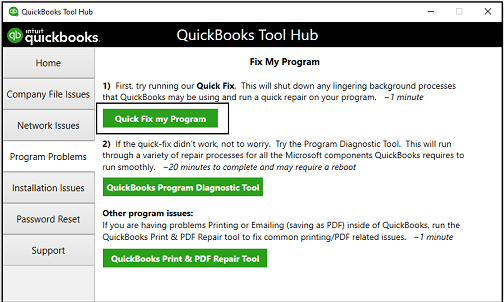
- Once it’s finished, reopen QuickBooks Desktop and try installing the update again.
b. Run the QuickBooks Install Diagnostic tool
If the QuickBooks installation is damaged, the update may fail to install properly. Running the QuickBooks Install Diagnostic Tool can repair common installation issues that interfere with updates.
- Open the QuickBooks Tool Hub and select Installation Issues.
- Click QuickBooks Install Diagnostic Tool and let it run. The scan may take up to 20 minutes to complete.
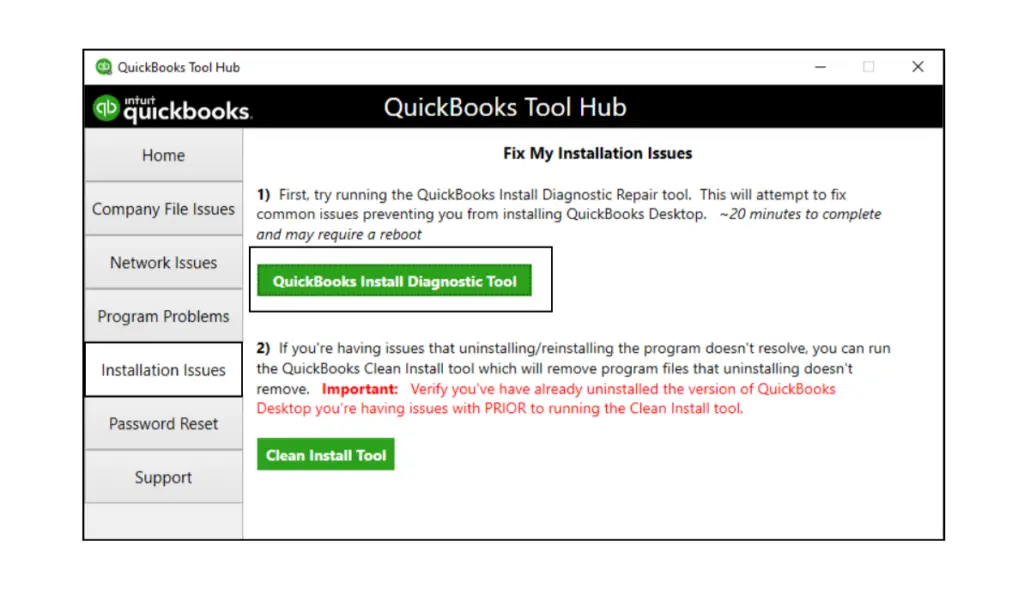
- Once the tool finishes, restart your computer.
- Open QuickBooks Desktop, then install the latest update to ensure you have the most recent fixes and security improvements.
How to Verify That the Update Installed Successfully
After installing the latest update, it’s worth taking a minute to confirm that everything was applied correctly. The easiest way to do this is by checking your current version and release number.
- Open QuickBooks Enterprise.
- Press F2 (or Ctrl + 1) to open the Product Information window.
- Review the Version and Release details.
- Compare the release number with the latest maintenance release available for your version. If they match, the update was installed successfully.
You can also open your company file and verify that QuickBooks launches normally without any update prompts or error messages. If the release number hasn’t changed, try installing the update again or use the manual update method.
Summing Up
That covers everything you need to know about the QuickBooks Enterprise latest version, including how to check your current release, install updates on Windows and Mac, verify that the update was successful, and troubleshoot common update issues.
Keeping your software up to date helps ensure you have the latest features, security improvements, and bug fixes, so QuickBooks continues to run smoothly.
Frequently Asked Questions
What is the latest version of QuickBooks Enterprise?
The latest core platform is QuickBooks Enterprise 24.0 (2024). Intuit no longer releases new yearly versions. Instead, features and security fixes are delivered continuously through monthly maintenance patches (like Release 21). Check your exact version by pressing F2 inside the software.
How do I update QuickBooks Enterprise manually?
To update QuickBooks Enterprise manually, open QB and go to Help > Update QuickBooks Desktop. Click the Update Now tab, select Get Updates, and wait for the download to finish. Once it’s complete, close and reopen QuickBooks to install the update.
Does QuickBooks Enterprise update automatically?
Yes, QuickBooks Enterprise updates automatically for point releases and patches. You can enable automatic downloads directly in the software by navigating to the Help menu, selecting Update QuickBooks Desktop, going to the Options tab, and choosing Yes for automatic updates.
How often does Intuit release QuickBooks Enterprise updates?
Intuit has moved away from annual product launches for QuickBooks Enterprise, shifting instead to a continuous release model. Instead of waiting for a yearly version (e.g., 2025 or 2026), you can expect frequent updates delivered throughout the year directly into your software.
Do I need to back up my company file before updating?
Yes, it’s always a good idea to create a backup before installing any QuickBooks update. Although maintenance updates rarely affect your data, having a recent backup gives you peace of mind in case the update is interrupted or something unexpected occurs.
Can I update QuickBooks Enterprise without upgrading to a new yearly version?
Yes, since Intuit now delivers new features and fixes through ongoing maintenance releases, you can stay up to date by installing the latest updates for your current version. In most cases, you won’t need to purchase or install a separate yearly edition just to receive the latest improvements.
Why won’t my QuickBooks Enterprise update install?
An update may fail to install for several reasons, including an unstable internet connection, insufficient Windows permissions, antivirus or firewall interference, damaged QuickBooks components, or issues with the update files themselves.
Will updating QuickBooks Enterprise affect my company data?
Updating your QuickBooks Enterprise software won’t negatively impact your underlying financial records, but moving to a major new yearly version requires your company file to be converted. While this process is typically safe, the updated file cannot be opened in older versions of the software.
About The Author

Jonathan Browns
Jonathan Brown is a trained QuickBooks professional with 10 years of experience in the accounting sector. Moreover, he is passionate about helping businesses reduce the stress of managing accounts. Also, he is proficient in assisting entrepreneurs and small business owners to use QuickBooks and enhance their accounting experience.
Recent Posts
-
9 DIY Troubleshooting Methods to Fix QuickBooks Error 15270
-
QuickBooks Data Conversion Services: Everything to Know
-
QuickBooks Point of Sale: Features, Setup, Pricing & Best Alternatives
-
QuickBooks Scheduled Backup Not Working: Common Causes & Easy Fixes
-
QuickBooks Credit Card Processing: How It Works, Fees & Benefits